
Azure Services Explained: Why Modern Enterprises Trust Microsoft Azure

Menu
Close
2025 is an inflexion point for cloud adoption: organisations that delay migration are watching competitors ship faster, spend less and innovate more on AWS. Analysts consistently show that migrating to AWS can deliver up to 47% infrastructure cost savings, 43% faster time‑to‑market and significantly fewer security incidents when done correctly.
For mid‑size enterprises, the challenge is not whether to move to AWS, but how to do it with a clear roadmap, strong governance and predictable cost control. This guide walks through a practical AWS cloud migration roadmap aligned with DolpTec’s cloud consulting, landing zone (CloudOzone), DevOps (CloudOasys) and FinOps (CloudOpex) services, so you can accelerate migration while managing risk.
AWS migration in 2025 goes far beyond “moving servers to someone else’s data centre.” It covers applications, data, security, compliance, operating model and financial optimisation, all tied to digital transformation outcomes such as agility and resilience.
AWS now offers mature migration and modernisation programs, automated tooling and a proven partner ecosystem to help organisations assess, migrate and modernise workloads in phases. Working with an AWS Partner like DolpTec gives you access to structured methodologies, landing zone blueprints and managed services that de‑risk every stage.
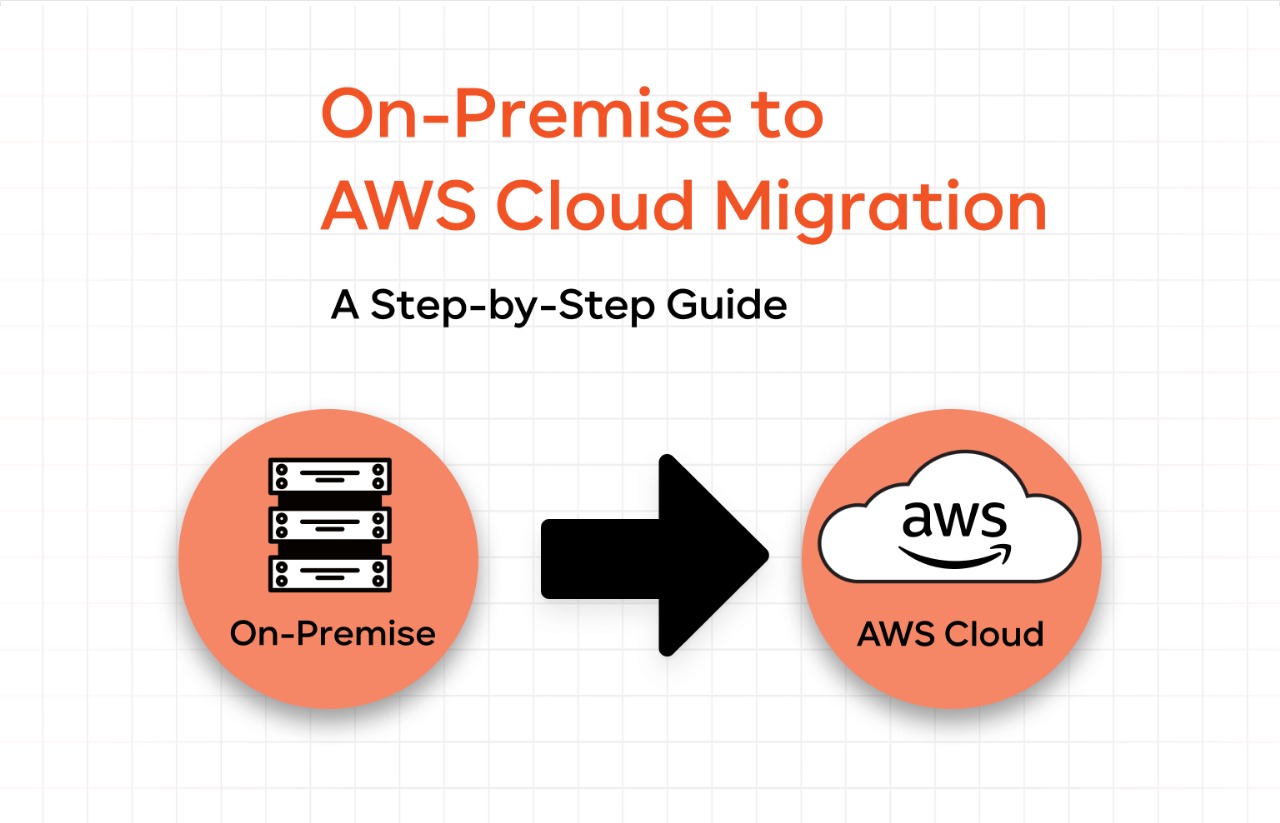
A successful AWS cloud migration starts with a quantified business case and a clear strategy, not a list of servers. Mid‑size enterprises should align migration goals to specific outcomes: reducing data‑centre costs, enabling remote work, modernising customer‑facing apps or supporting AI initiatives.
DolpTec’s consulting services help organisations run discovery and TCO assessments, create a phased migration roadmap and choose appropriate migration patterns (rehost, replatform, refactor, etc.). This strategic groundwork ensures stakeholders understand expected savings, risks, timelines and KPIs before the first workload moves.
Before migrating production workloads, it is essential to build a secure, compliant and scalable AWS landing zone. A landing zone standardises account structure, identity and access management, network design, logging, monitoring and guardrails for your organisation.
DolpTec’s CloudOzone service creates a hardened landing zone tailored to your industry, integrating security baselines, cost‑allocation tags and multi‑account governance from day one. This foundation makes later migration waves faster and safer because every new workload lands in a well‑architected environment instead of a bespoke one‑off setup.
Rather than moving everything at once, mid‑size organisations should define migration “waves” based on business value and technical complexity. Typical first candidates include low‑risk internal applications, test environments or systems approaching hardware refresh or licence renewal.
DolpTec supports structured application discovery, dependency mapping and risk assessment so that tightly coupled systems move together, avoiding performance or integration issues. This approach enables quick wins while protecting mission‑critical applications until the organisation is ready.
Manual migration processes are error‑prone and difficult to repeat. Modern AWS cloud migration relies on infrastructure as code (IaC), CI/CD pipelines and automated testing to deliver consistent, auditable and reversible changes.
DolpTec’s CloudOasys DevOps service implements secure software and infrastructure delivery pipelines, using tools such as AWS CloudFormation, Terraform and native CI/CD services where appropriate. By combining DevOps practices with migration factory models, your migration waves become predictable releases rather than one‑off projects.
As cloud usage grows, uncontrolled spend is one of the biggest concerns for mid‑size enterprises. FinOps introduces processes, tools and culture to ensure every team understands the cost impact of their cloud decisions and continuously optimises usage.
DolpTec’s CloudOpex FinOps service implements tagging, budgets, cost dashboards and optimisation routines, such as rightsizing, reserved instances, savings plans and storage tiering. Treating FinOps as part of the migration roadmap, not a post‑migration afterthought, helps you achieve cost savings targets while still enabling innovation.
Many organisations start with “lift‑and‑shift” but quickly realise that the real value of AWS comes from modernising applications. Modernisation may involve breaking monoliths into microservices, containerising workloads, adopting managed databases or using serverless architectures.
DolpTec works with clients to assess which applications should be refactored to take advantage of AWS managed services and AI capabilities, improving scalability and resilience while reducing the operational burden on in‑house teams. This modernisation step is where AWS migration becomes a true digital transformation accelerator.
Post‑migration, organisations need reliable operations, continuous optimisation and robust security monitoring. An experienced Cloud MSP like DolpTec provides 24/7 operational support, incident management, patching, backup, DR testing and ongoing architecture reviews.
By combining managed services with periodic well‑architected reviews and FinOps cycles, your AWS environment keeps improving over time instead of drifting into technical and financial debt. This enables your IT team to focus on strategic initiatives while DolpTec handles the day‑to‑day cloud operations.
Several recurring issues derail AWS cloud migration projects: underestimating complexity, ignoring security, lacking stakeholder buy‑in and over‑promising timelines. Another common pitfall is treating migration as an IT‑only exercise, disconnected from business process change and cultural adoption.
Partnering with an AWS consulting and MSP provider such as DolpTec helps avoid these traps with proven methodologies, clear governance models and shared accountability for outcomes. With the right roadmap, your organisation can move to AWS in 2025 with confidence and turn migration into a competitive advantage.
If your organisation is planning AWS cloud migration in 2025, now is the time to define your roadmap, build your landing zone and embed FinOps. Speak with DolpTec’s cloud consultants to assess your current environment and design a practical migration plan that aligns technology change with business value.

Setting New Standards in
IT Transformation
© All Copyright 2026 by DolpTec